
Choosing essential laboratory equipment is about more than filling a workspace—it’s about enabling accurate, reproducible results

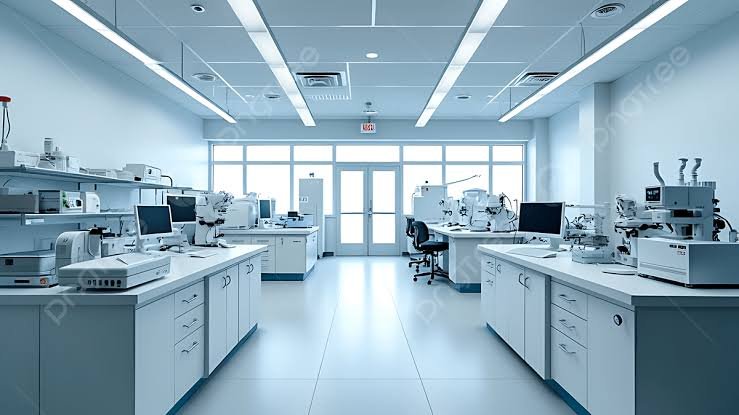
Modern laboratories rely on more than skilled professionals—they depend on equipment that delivers accuracy, consistency, and reliability. Whether supporting academic research, biotechnology, quality control, or industrial testing, having the right foundation is essential.
Here are the core categories of equipment every well-equipped laboratory should consider:
Analytical Instruments for Precision
Accurate measurement is the backbone of scientific work. Core analytical instruments such as balances, spectrophotometers, and pH meters provide the precision needed to produce dependable data. Without these tools, verifying the exact composition or concentration of samples becomes impossible.
Temperature Control Equipment
Refrigerators, freezers, incubators, and ovens help maintain stable conditions for samples, cultures, and experiments. Even small temperature fluctuations can affect results or destroy sensitive biological materials. Reliable temperature regulation ensures that your scientific testing remains consistent from start to finish.
Sample Preparation Tools
Centrifuges, mixers, vortexes, and homogenizers ensure samples are prepared consistently before analysis. Proper preparation reduces variability and directly improves reproducibility. Investing in sturdy preparation devices is just as critical as choosing advanced testing machinery.
Safety Equipment and Compliance
Fume hoods, biological safety cabinets, and emergency safety stations protect both personnel and research. A safe laboratory is the foundation of productive science. Ensuring proper ventilation and containment keeps your facility compliant with industry health regulations.
Calibration & Quality Assurance
Reliable data depends on properly calibrated instruments. Regular calibration, preventive maintenance, and documented quality checks are just as important as the hardware itself. Facilities must establish strict schedules to keep every device operating within its specific tolerance limits.
Data Management Integration
Modern laboratories increasingly integrate digital data collection and monitoring to improve traceability, regulatory compliance, and operational efficiency. Connecting your laboratory hardware to centralized software reduces manual errors and secures your valuable research data.
The best facility isn’t necessarily the one with the most tools—it’s the one equipped with instruments that match its scientific objectives, quality requirements, and future growth. Choosing the right setup requires balancing your immediate operational needs with long-term reliability.
What piece of laboratory equipment do you consider indispensable in your work?